Harnessing User-Generated Content in App Marketing
DevBlog
Jul 30, 2026 · 4 min read · 20 views
Introduction to User-Generated Content in App Marketing
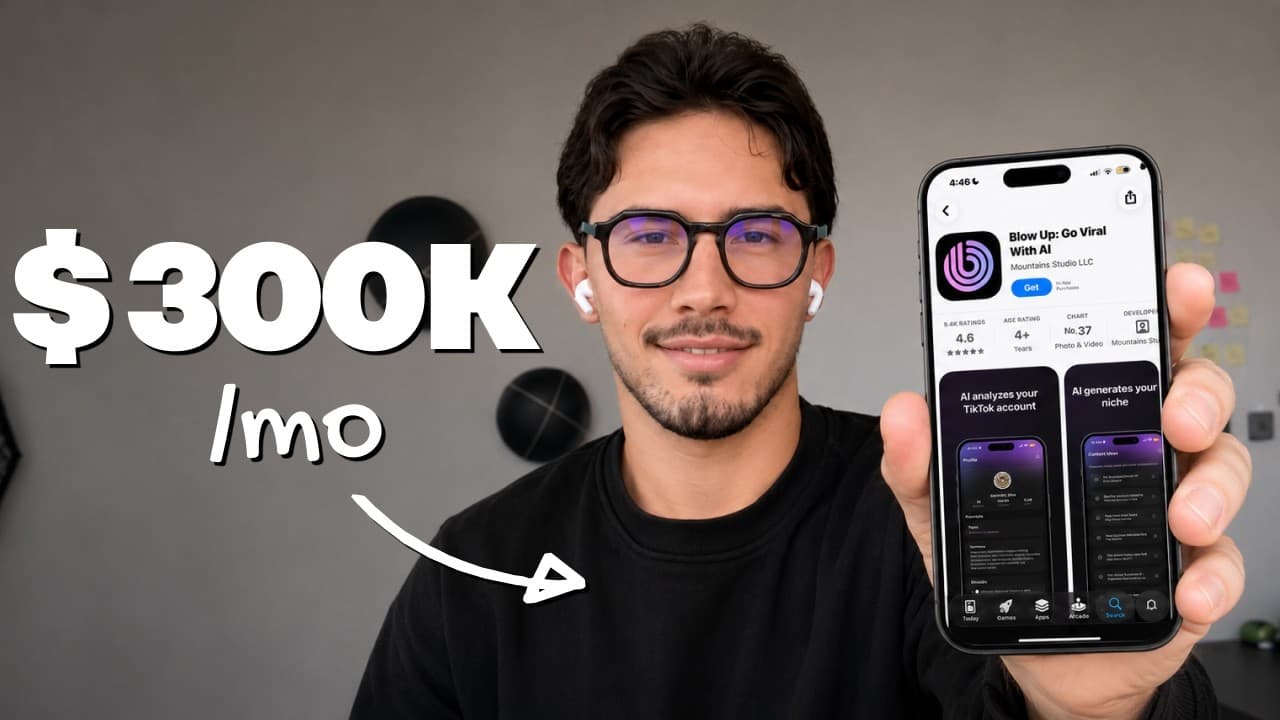
Imagine developing an app that skyrockets to success, not through traditional marketing but by leveraging the voices of your users and influencers. User-Generated Content (UGC) has become a game-changing strategy for app developers, offering a blend of authenticity and reach that traditional advertising struggles to match. Enzo, a savvy developer, has mastered this approach, managing UGC creators who generate a staggering 250 million views per month, primarily on platforms like TikTok and Instagram. This strategy translates into approximately $330,000 in monthly revenue, showcasing the immense potential of UGC in app marketing.

The Shift from Traditional Advertising to UGC
The advertising landscape has witnessed a seismic shift from traditional methods to more organic, engaging strategies like UGC. As consumers grow weary of intrusive ads, the appeal of content that feels genuine and relatable has surged. UGC allows brands to harness the creativity of individuals who naturally resonate with audiences, creating a more authentic connection. This evolution is not just a trend but a necessity for app developers looking to engage today's discerning consumers.

Why UGC is Essential for Modern App Developers
UGC is more than a buzzword; it's a cornerstone of modern app marketing. For developers, the benefits are multifaceted:
- Authenticity: Content created by users or influencers often appears more genuine than branded content.
- Cost-Effectiveness: UGC can significantly reduce advertising costs by leveraging organic reach.
- Scalability: With the right strategy, UGC can be scaled to reach millions, as evidenced by Enzo's apps.
- Engagement: UGC fosters a sense of community and interaction, driving higher engagement rates.

How UGC Strategies are Implemented
Implementing a successful UGC strategy involves a few critical steps:
1. Identify Suitable Creators: Developers must select creators who align with their brand's target audience. Enzo's team sends about 400 DMs daily to potential creators, prioritizing those with good energy and motivation. 2. Provide Content Formats: Rather than giving free rein, Enzo's approach emphasizes replicating successful content formats and scripts to maintain consistency. 3. Incentivize Performance: High-performing creators are rewarded with bonuses and incentives, such as tech gadgets or even cars. 4. Measure and Optimize: Tools like viral.app are used to analyze performance metrics, optimizing strategies for better results.
Identifying the Right Creators for UGC Campaigns
Finding the right creators is a nuanced process. Enzo's strategy involves reaching out to creators who not only have significant followings but also exhibit the right energy and motivation. This careful selection ensures alignment with the app's branding and audience expectations. The creators' engagement rates, content style, and audience demographics are critical factors in this selection process.
Proven Content Formats and Scripts for Consistency
Consistency is crucial in UGC campaigns. Enzo's team focuses on proven content formats and scripts, ensuring that the message remains cohesive across different creators. Here's a simplified script example for a hypothetical fitness app:
const scriptTemplate = `
Hey everyone, it's [Creator Name]! 🏋️♀️
I've been using [App Name] for [Duration] and it's transformed my workouts! 💪
Whether you're a beginner or a pro, this app has [Feature Highlight].
Check it out and let me know what you think in the comments! #FitnessGoals
`;
function generateScript(creatorName, appName, duration, featureHighlight) {
return scriptTemplate
.replace("[Creator Name]", creatorName)
.replace("[App Name]", appName)
.replace("[Duration]", duration)
.replace("[Feature Highlight]", featureHighlight);
}
console.log(generateScript("Alex", "FitTrack", "3 months", "custom workout plans"));
This script ensures the message is clear, engaging, and adaptable to different creators and platforms.
Measuring Success: Metrics for UGC Campaigns
Success in UGC campaigns is measured through various metrics:
Key Use Cases of UGC in App Marketing
The UGC Ecosystem: Tools and Alternatives
UGC is part of a larger ecosystem that includes influencer marketing, content marketing, and social media advertising. Tools like AppSprint and viral.app play crucial roles in optimizing UGC campaigns by providing performance analytics and strategic insights. Alternatives include traditional paid advertising, SEO, and email marketing, each with its own set of advantages and limitations.
Pros and Cons of User-Generated Content
Pros
Cons
Conclusion: The Future of UGC in App Development and Marketing
The future of app marketing lies in the ability to harness the power of User-Generated Content. As platforms like TikTok and Instagram continue to evolve, offering new features and analytics, the potential for UGC in app development and marketing will only grow. Developers like Enzo demonstrate that with the right strategy, significant revenue and engagement can be achieved. For app developers and marketers, the actionable takeaway is clear: embrace UGC not just as a trend, but as a fundamental component of your marketing strategy.