Micro SaaS Development with AI: A New Era
DevBlog
Aug 1, 2026 · 4 min read · 7 views
Introduction to Micro SaaS and AI Technologies
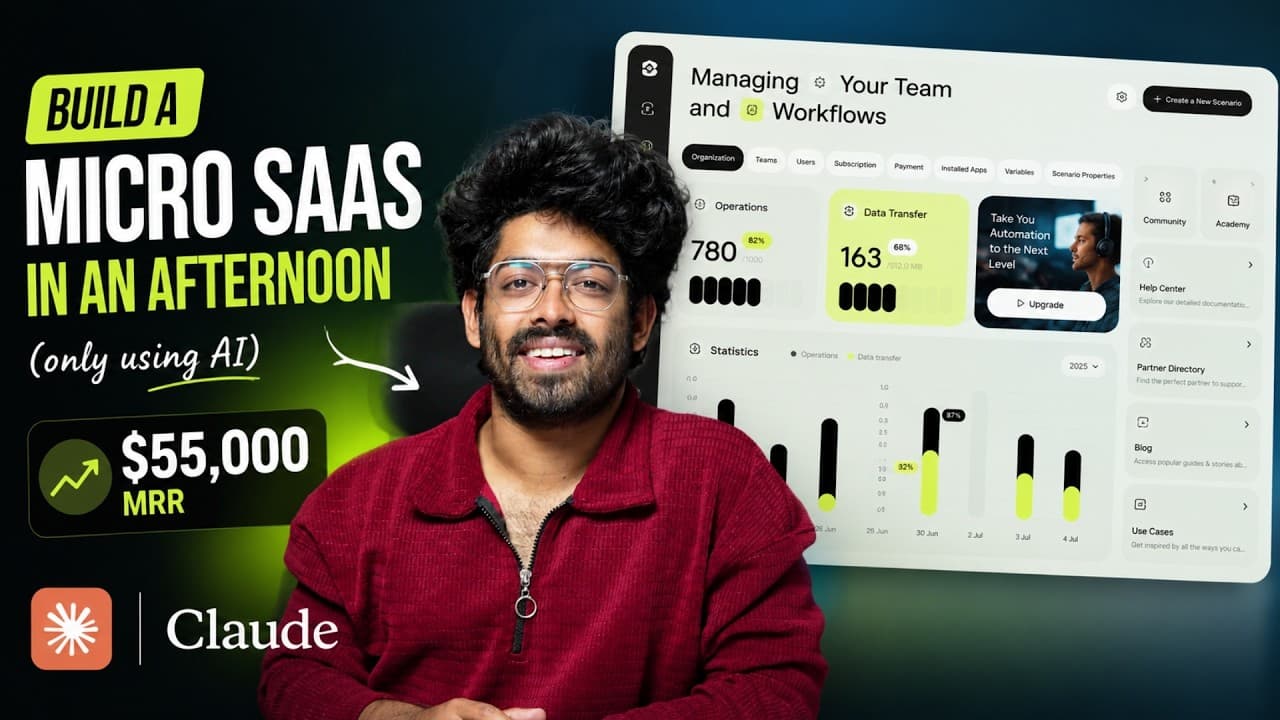
Imagine developing a fully functional SaaS application in just 90 minutes. It sounds like a fantasy, but it's increasingly becoming reality thanks to the rise of AI coding agents and cloud infrastructure platforms. By leveraging these technologies, developers can now create niche software solutions with minimal effort, opening the doors to a new world of micro SaaS opportunities.

The Problem: Barriers to Entry in SaaS Development
Traditionally, entering the SaaS market has been fraught with challenges. From the need for extensive programming knowledge to the complexities of managing backend infrastructure, the barriers to entry could deter all but the most determined. Large teams and significant resources were often prerequisites for success, leaving solo developers and small startups on the sidelines.
The Rise of Micro SaaS: A New Paradigm
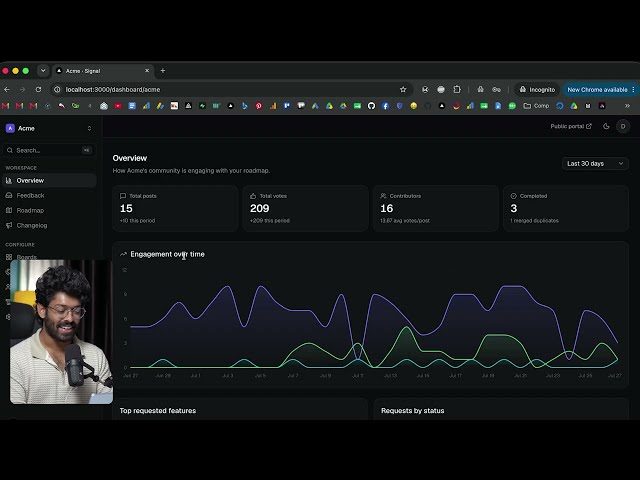
The landscape is changing with the advent of micro SaaS—a streamlined approach focusing on solving specific, niche problems. By targeting smaller markets, developers can avoid the complexities of larger software solutions while still capturing significant revenue. For instance, Upvoty, a micro SaaS platform for customer feedback management, reportedly reached a $55,000 monthly recurring revenue (MRR), showcasing the potential of this model.
How AI Coding Agents Facilitate Development
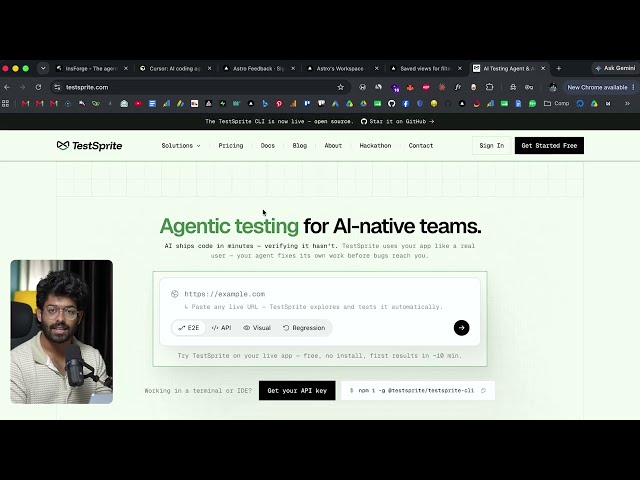
AI coding agents, like Claude Opus 5, have revolutionized development by interpreting text prompts to generate complete applications. In the video, Claude Opus 5 generated over 27,000 lines of code to build a customer feedback management platform in approximately 1 hour and 30 minutes. This automation not only accelerates development but also democratizes it, allowing even non-technical founders to create sophisticated applications.
Leveraging Cloud Infrastructure for Rapid Deployment
Cloud platforms like InForge complement AI coding agents by providing a robust backend infrastructure. With services such as databases, authentication, and real-time capabilities, InForge handles the heavy lifting, enabling developers to focus on application logic and user experience. This combination of AI and cloud services transforms the development process into a seamless, end-to-end solution.
Key Use Cases for Micro SaaS Solutions
Micro SaaS is particularly suited for:
- Rapid Prototyping: Quickly test new ideas without heavy investment in coding.
- Solo Entrepreneurship: Empower individuals to build and maintain their own SaaS products.
- Niche Market Solutions: Tailor applications to specific user needs and industries.
- Cost-Effective Development: Minimize the need for large teams and reduce overhead.
- Iterative Product Development: Easily update applications based on user feedback.
- AI Coding Agents: Claude Opus, Cursor, and Antigravity Cortex lead the charge in AI-generated code.
- Cloud Platforms: InForge stands out, but AWS, Google Cloud, and Azure offer powerful alternatives.
- No-Code/Low-Code Platforms: Bubble, Webflow, and Adalo provide similar capabilities with visual interfaces.
- Traditional Development: While less automated, custom coding remains essential for bespoke solutions.
Exploring the Ecosystem: Tools and Platforms
The micro SaaS ecosystem is rich with tools and platforms that facilitate development:
A Step-by-Step Guide to Building a Micro SaaS
Building a micro SaaS involves:
1. Define the Problem: Identify a specific, niche problem to solve. 2. Select Tools: Choose an AI coding agent and a cloud platform. 3. Design the Application: Use AI to generate code, focusing on core functionalities. 4. Deploy on Cloud: Utilize cloud services to handle backend infrastructure. 5. Iterate and Improve: Gather user feedback and refine the application.
Code Example: Setting Up a Customer Feedback Management Platform
Let's walk through setting up a basic customer feedback management platform using a simple stack:
# Using Flask and SQLite for simplicity
from flask import Flask, request, jsonify
import sqlite3
app = Flask(__name__)
def init_db():
    conn = sqlite3.connect('feedback.db')
    c = conn.cursor()
    c.execute('CREATE TABLE IF NOT EXISTS feedback (id INTEGER PRIMARY KEY, comment TEXT)')
    conn.commit()
    conn.close()
@app.route('/feedback', methods=['POST'])
def add_feedback():
    comment = request.json['comment']
    conn = sqlite3.connect('feedback.db')
    c = conn.cursor()
    c.execute('INSERT INTO feedback (comment) VALUES (?)', (comment,))
    conn.commit()
    conn.close()
    return jsonify({'status': 'Feedback received'}), 201
@app.route('/feedback', methods=['GET'])
def get_feedback():
    conn = sqlite3.connect('feedback.db')
    c = conn.cursor()
    c.execute('SELECT * FROM feedback')
    feedback_list = [{'id': row[0], 'comment': row[1]} for row in c.fetchall()]
    conn.close()
    return jsonify(feedback_list)
if __name__ == '__main__':
    init_db()
    app.run(debug=True)
This simple application allows users to submit feedback, which is stored in a SQLite database. It demonstrates how quickly a basic application can be developed and deployed using modern tools and techniques.
Pros and Cons of Using AI for SaaS Development
Pros:Future Trends in Micro SaaS and AI Integration
Looking ahead, we can expect further advancements in AI coding agents and cloud services. More sophisticated models will likely decrease development times and improve code quality. Additionally, the integration of AI-driven analytics and user insights will empower developers to create even more targeted and effective solutions.
Conclusion: Empowering Developers with AI and Cloud Solutions
Micro SaaS, powered by AI and cloud technologies, represents a significant shift in software development. By reducing the barriers to entry, it empowers developers, especially solo founders and small teams, to innovate and bring their ideas to life with unprecedented speed and efficiency. As these technologies continue to evolve, the possibilities for creating impactful, niche applications will only expand, driving the future of software development.